
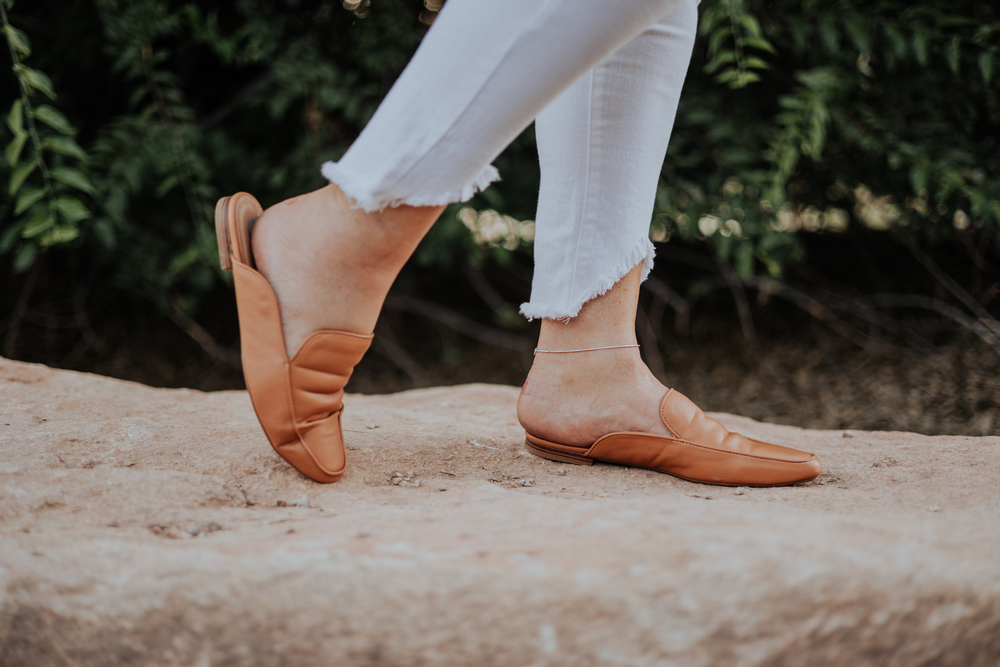
Something has shifted in fashion recently. Nobody wants to suffer for style anymore. The whole idea that nice clothes have to pinch, bind, or restrict? Dead and buried. What replaced it makes so much more sense: clothes and shoes that look sharp but feel like you’re wearing your favorite Saturday outfit.
The Rise of All-Day Dressing
Life doesn’t fit into neat boxes these days. You grab coffee, hop on a video call, meet clients for lunch, then maybe hit a friend’s birthday party. Who has time to change between all that?
So wardrobes adapted. That blazer? It stretches now. Those dress pants move like sweats but look nothing like them. Even fancy shoes got the memo and started caring about your feet. The pandemic pushed this forward, sure. But it was already happening. Tech workers showed up at billion-dollar meetings in sneakers and nice jeans. Other industries watched and thought, why not us? Then everyone worked from home for a while and realized productivity had nothing to do with uncomfortable clothes. Coming back to offices, people demanded better. They got it.
Materials got smarter too. A dress shirt that wicks sweat sounds weird until you wear one through a stressful presentation. Pants with hidden elastic waistbands? Genius. The technology was always there. Fashion just finally started using it.
Where Athletic Meets Elegant
Walk through any city and you’ll see it. Sneakers with suits. Jogger-cut pants at wine bars. Hoodies at board meetings. Not sloppy hoodies though. Think cashmere, merino wool: fabrics that flow, not bunch. The difference comes down to details. Athletic wear uses neon and logos. This new category sticks to black, navy, and cream. Shapes stay simple. No unnecessary zippers or random stripes. Just clean, easy pieces that happen to feel amazing.
Fashion houses scrambled to keep up. Some called it “athleisure” which sounds silly. Others went with “elevated casual” or whatever marketing term tested well. The name is irrelevant. People want clothing that is mobile, airy, and looks good in photos.
Footwear Leads the Revolution
Shoes started this whole thing, really. Someone figured out dress shoes could have cushioned soles. Once feet got comfortable, everything else had to follow. Women’s mules show how far footwear has come. Journee creates versions that handle twelve-hour days without turning feet into throbbing messes by dinnertime. The slip-on style saves those rushed mornings. A slight heel gives some height but stays stable. Memory foam does its thing inside while leather or suede keeps things classy outside. Feet matter because when they hurt, everything hurts. Your back compensates. Your mood tanks. The whole day goes sideways from there.
Guys got upgrades too. Oxford shoes that feel like sneakers inside? Yes please. Loafers that actually flex when you walk? About time. Even boots got lighter and softer while keeping their structure.
The New Professional Standard
Offices look different now. Not just the standing desks and bean bags either. Professional means something else today. Clean and intentional beats formal and stiff. That knit blazer gets more respect than the wool suit that makes you sweat through meetings.
Comfortable people focus better. They’re friendlier in meetings. They stay energized longer. Companies finally connected those dots. Dress codes loosened up. Productivity went up. Sure, some places still require traditional suits. Courts, certain banks, wherever. But look closer. That lawyer’s suit has stretch panels. The banker’s shirt resists stains and doesn’t crease. Small fixes make long days easier.
Conclusion
This isn’t going away. Polished comfort reflects how people live now. Busy, mobile, switching between roles all day long. Fashion finally caught up to reality. Expect more innovations, better fabrics, smarter designs. The future looks good and feels even better.